
Approved Document B 2026: What the September Changes Mean for Building Safety
If you own, manage, design or develop residential buildings in England, 30 September 2026 is a date that should already be in your diary. That is when the latest amendments to Approved Document B — the government’s primary guidance on fire safety in buildings — come into force, and they represent, in the words of those tracking post-Grenfell legislative reform, the most significant update to fire safety guidance for new tall residential buildings in decades.
What is Approved Document B?
Approved Document B (ADB) is the statutory guidance document that supports the fire safety requirements of the Building Regulations 2010 in England. It sets the benchmark for means of escape, fire spread, structural protection and fire service access. Architects, developers and building control teams use it as the standard against which new building work is designed and assessed. When it is updated, the bar for compliant new construction moves with it.
The document has been subject to rolling amendment since the Grenfell Tower fire in 2017. The current programme of updates flows from a consultation on sprinklers in care homes, removal of national classes and second staircases in residential buildings that ran in late 2022 and early 2023. Those updates are now being phased in across three tranches — 2025, 2026 and 2029. GOV.UK
What changes on 30 September 2026?
The 2026 Approved Document B amendment booklet accompanies Circular 04/2024 and contains amendments coming into force on 30 September 2026, subject to transitional provisions. It includes amendments in relation to second staircases in 18-metre-plus residential buildings. GOV.UK
The changes cover four substantive areas:
Second staircases in residential buildings over 18 metres
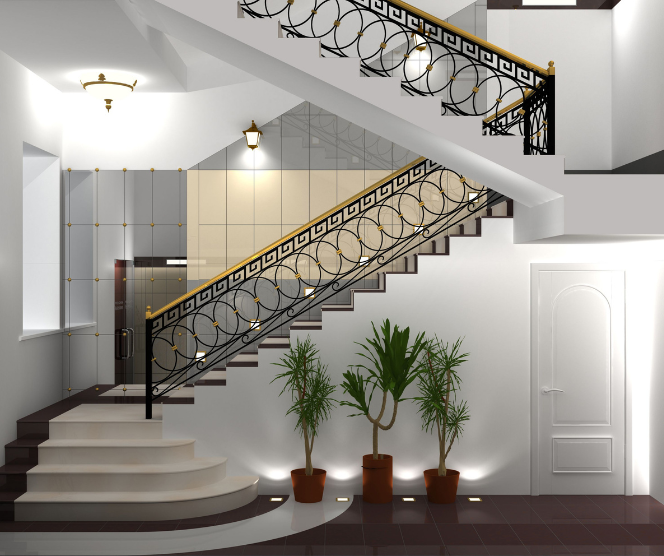
From 30 September 2026, any new residential building over 18 metres tall must include two protected staircases. This is the headline change. The 18-metre threshold aligns with the definition of a higher-risk building under the Building Safety Act, so the rules now speak to each other rather than using different heights. A single staircase has long been accepted in tall residential buildings on the basis that residents stay put during a fire. A second staircase provides a separate, protected route for escape and for firefighters to work in, and reflects a wider shift towards giving people more than one way out. Safety GroupEversafefire
Evacuation lifts
The 2026 amendments introduce design provisions to support the use of evacuation lifts in blocks of flats. Where evacuation lifts are provided, they should be located within an evacuation shaft containing a protected stairway, evacuation lift and evacuation lift lobby. An evacuation lift lobby should provide a refuge area for those waiting, have direct access to a protected stairway, and not be directly accessible from any flat, storage room or electrical equipment room. RICSVentrogroup
Revised travel distances
The amendments tighten travel distance limits to 7.5 metres for single-direction escape and 30 metres where multiple directions are available, alongside mandatory evacuation alert systems in residential buildings over 18 metres. Continox
European fire testing standards
The withdrawal of the outdated national class fire testing standards (BS 476) is being concluded, ending a long period of dual specification. The more robust European standard, BS EN 13501, remains in place. The final removal of BS 476 references from ADB follows in the 2029 amendment tranche. GOV.UK
Who do the changes apply to?
It is important to be clear on scope. The 2026 Approved Document B amendments apply only in England. Scotland, Wales and Northern Ireland have separate building regulation frameworks. The changes apply to new construction — existing buildings are not automatically required to retrofit a second staircase, but owners of higher-risk buildings still carry duties under the Building Safety Act and the Fire Safety Order. Continox
What about transitional provisions?
Where a building notice, initial notice or full plans application reaches the relevant authority before 30 September 2026, the older guidance may still apply. However, work must start and progress sufficiently within 18 months of the deadline, otherwise a fresh application under the updated Approved Document B 2026 rules becomes necessary. Project teams should not assume that late-stage submissions will offer a comfortable runway. Safety Group
What does this mean in practice for evacuation planning?
The shift in ADB is not simply an architectural or construction matter. The move towards mandatory second staircases and evacuation lifts in tall residential buildings reflects a wider change in evacuation philosophy — away from blanket “stay put” strategies and towards active evacuation, particularly for residents who cannot use stairs independently.
That means the buildings being designed and constructed under the new rules will need more than compliant hardware. They will need staff, residents and responsible persons who understand how those evacuation routes and systems work, and who are trained to use them effectively. Fire marshal training, assisted evacuation procedures and the correct use of evacuation equipment are not afterthoughts — they are what makes the physical infrastructure work when it matters most.
How EverSafe Training can help
Whether you manage an existing high-rise building or are involved in developing new residential schemes ahead of the September deadline, EverSafe Training works with facilities teams, responsible persons and building managers across the UK to ensure that evacuation training keeps pace with regulatory change.
From evacuation chair and evacuation sheet training to fire marshal courses and equipment supply, we help organisations build the practical capability that compliance genuinely requires — not just the paperwork.
To find out more about what we offer or to discuss your building’s specific needs, get in touch with the team or explore our training courses.
A note on sources: The information in this article is drawn from the official GOV.UK Approved Document B publication, the government’s Circular 04/2024, the RICS Built Environment Journal, and the Building Safety Regulator’s March 2026 consultation on further ADB review. All amendments referenced are for England only and subject to the transitional provisions set out in official guidance.

More Education & Resources
EverSafe has developed a comprehensive library of useful information from answering key questions surrounding the use and maintenance of evacuation chairs to outlining which regulations are important to help you meet necessary compliance and legislation requirements.

Martyn’s Law is now on the clock. Here’s what every business leader needs to understand.
As of today — 31st May 2026 — the UK is less than 12 months f...
Read More
Keeping Evacuation Chairs Safe, Compliant & Ready to Use Every Time
The Evacuation Chair servicing team you can always rely on
Evacu...
Read More

Legal Obligations: You MUST Ensure a Safe Escape for All
When it comes to fire evacuation and emergency preparedness, UK employers face a critical legal r...