
Have you made sure people can escape safely, even at night if necessary?
When people think about fire evacuation, they often picture a daytime office evacuation — alarms sounding, staff calmly heading for the exits, fire marshals checking rooms, and everyone gathering outside at the assembly point.
But what happens when the lights are low, staffing levels are reduced, or people are asleep?
That’s when evacuation planning becomes far more serious.
As someone who has spent years working with care homes, residential care settings, hospices, hospitals, schools, offices, hotels, and public buildings across the UK, I can tell you this with confidence: nighttime evacuation is where weaknesses in fire safety plans are often exposed.
It’s also where vulnerable people are most at risk.
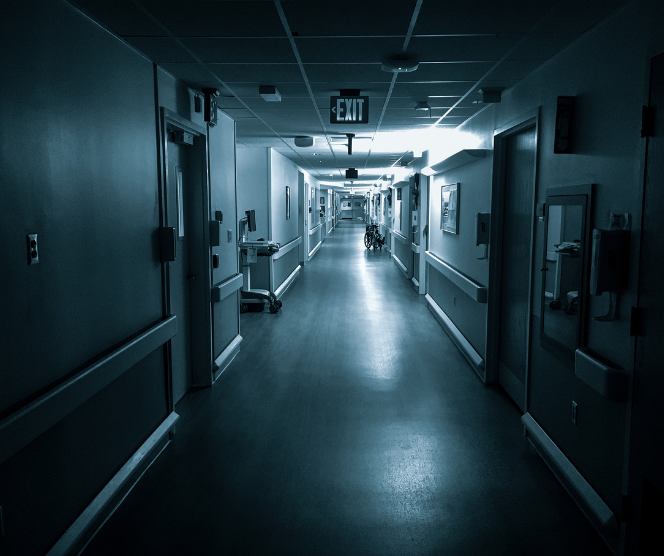
Fire Safety Doesn’t Stop at 5pm
Many organisations have solid daytime procedures. Staff are trained, evacuation routes are clear, and designated fire marshals know their roles.
But at night, the situation changes completely.
You may have:
- Fewer staff on duty
- Reduced supervision
- Sleeping occupants
- Limited visibility
- Increased confusion and panic during an emergency
- People who cannot evacuate independently
For care homes, residential care facilities, hospices, hospitals, hotels, boarding schools, supported living environments, and workplaces operating night shifts, these risks become even more important.
The question every responsible organisation should ask is:
Can every person in your building escape safely at any time of day or night?
If the honest answer is “I’m not completely sure,” then it’s time to review your evacuation arrangements.
The Reality for Mobility-Impaired Occupants
One of the biggest oversights we still see is the assumption that emergency services will evacuate anyone who cannot use stairs.
In reality, fire and rescue services expect buildings to have their own evacuation procedures in place.
That includes having suitable evacuation equipment and properly trained staff ready to use it safely.
If someone uses a wheelchair, has reduced mobility, suffers from a medical condition, is recovering from surgery, or simply cannot evacuate quickly without assistance, you must plan for that in advance.
That’s not just good practice — it’s part of your duty of care.
This is particularly important in settings such as hospitals, hospices, residential care homes, schools supporting pupils with additional needs, and hotels accommodating guests who may require assistance during an emergency.
Why Evacuation Chairs Matter
Evacuation chairs are designed to help move individuals safely down stairways during an emergency when lifts cannot be used.
Used correctly, they allow trained staff to evacuate someone quickly, safely, and with dignity.
They are an essential piece of equipment in many multi-storey buildings, including offices, schools, hotels, hospitals, and residential care facilities.
But here’s the important part many organisations miss:
An evacuation chair is only effective if people know how to use it.
I’ve attended sites where chairs were still boxed up years after purchase. I’ve seen equipment stored behind furniture, inaccessible during an emergency, or staff unsure how to operate it confidently.
In a real fire situation, hesitation costs valuable time.
That’s why practical hands-on training is absolutely essential.
Don’t Forget About Evacuation Mats
Evacuation mats are another vital piece of equipment, especially within hospitals, hospices, nursing homes, and residential care environments.
These are specifically designed to assist with evacuating individuals directly from beds or rooms where moving them into a chair may not be practical or possible.
They can be particularly effective during nighttime evacuations where speed and simplicity matter most.
Again, equipment alone isn’t enough.
Staff need regular training and realistic practice scenarios so they can react calmly under pressure.
Nighttime Evacuation Requires Realistic Planning
A proper evacuation strategy should consider:
- Who may need assistance
- How they will be evacuated
- What equipment is required
- Where equipment is stored
- Who is trained to use it
- What happens if key staff are absent
- Whether procedures work during reduced staffing hours
- How new staff are trained
It’s also important to review your Personal Emergency Evacuation Plans (PEEPs) regularly.
People’s needs change. Staffing changes. Buildings change.
Your evacuation procedures need to evolve too.
Whether you manage a care home, school, office building, hotel, or healthcare environment, evacuation planning should never be treated as a tick-box exercise.
Training Builds Confidence
One thing I always say during training sessions is this:
People don’t rise to the occasion in an emergency — they fall back on their training.
When staff have practised using evacuation chairs and mats properly, their confidence changes completely.
They become calmer, faster, and more capable under pressure.
That confidence can make all the difference when someone’s life depends on a safe evacuation.
Fire Safety Is About People
At the heart of every evacuation plan is a simple responsibility: protecting people.
Not just during inspections. Not just during office hours.
At all times.
A fire evacuation plan should work just as effectively at 2am as it does at 2pm.
If you’re unsure whether your current procedures, equipment, or staff training are sufficient, now is the time to review them — before an emergency puts them to the test.
How EverSafe Training Can Help
At EverSafe Training, we work with organisations across the UK to improve emergency evacuation safety through practical training, evacuation equipment, and expert guidance.
We support:
- Care homes
- Residential care facilities
- Hospices
- Hospitals
- Schools and colleges
- Offices and commercial buildings
- Hotels and hospitality venues
- Supported living environments
We supply and deliver training for:
- Evacuation chairs
- Evacuation mats
- Safe assisted evacuation procedures
- Practical hands-on staff training
- Refresher training and compliance support
Our approach is straightforward, practical, and designed for real-world situations — because emergencies rarely happen under perfect conditions.
Final Thought
Ask yourself one simple question:
If a fire alarm activated tonight, could every person in your building get out safely?
If there’s any doubt, it’s worth addressing now.
Because proper preparation doesn’t just help meet compliance requirements — it helps save lives.

More Education & Resources
EverSafe has developed a comprehensive library of useful information from answering key questions surrounding the use and maintenance of evacuation chairs to outlining which regulations are important to help you meet necessary compliance and legislation requirements.
Approved Document B 2026: What the September Changes Mean for Building Safety
If you own, manage, design or develop residential buildings in England, 30 September 2026 is a da...
Read More

Martyn’s Law is now on the clock. Here’s what every business leader needs to understand.
As of today — 31st May 2026 — the UK is less than 12 months f...
Read More
Keeping Evacuation Chairs Safe, Compliant & Ready to Use Every Time
The Evacuation Chair servicing team you can always rely on
Evacu...